

January 2026
2025: Growth, Expansion, and New Industrial Opportunities
The year 2025 has been marked by strong development and increased business activity within the Tbilisi Free Industrial Zone. We continued strengthening our position as a leading hub for regional international trade, warehousing, and industrial production.
New Company Registrations
In 2025, a total of 25 new trading and industrial companies were registered within the Free Zone. Among them, 8 companies represent diverse manufacturing sectors, including:
* Watch and electronic component production
* Coffee machine and beverage-related equipment
* Fruit juice processing
* Cosmetics and pharmaceutical products
* Plastic panel production
* Computer and technical equipment processing
This growing diversity highlights the Zone’s expanding industrial ecosystem and its ability to attract innovative businesses across multiple sectors.
Development of Existing Projects
Several long-standing tenants significantly expanded their operations during 2025, demonstrating continued trust and long-term investment within the Free Zone:
* YASA Georgia LLC, producing high precise steel components for Boeing, in partnership with TFZ, increased its industrial capacities through additional 1300 sqm facility that will serve to the production of various hydraulic components for brands like Bosch, Liebherr, etc.
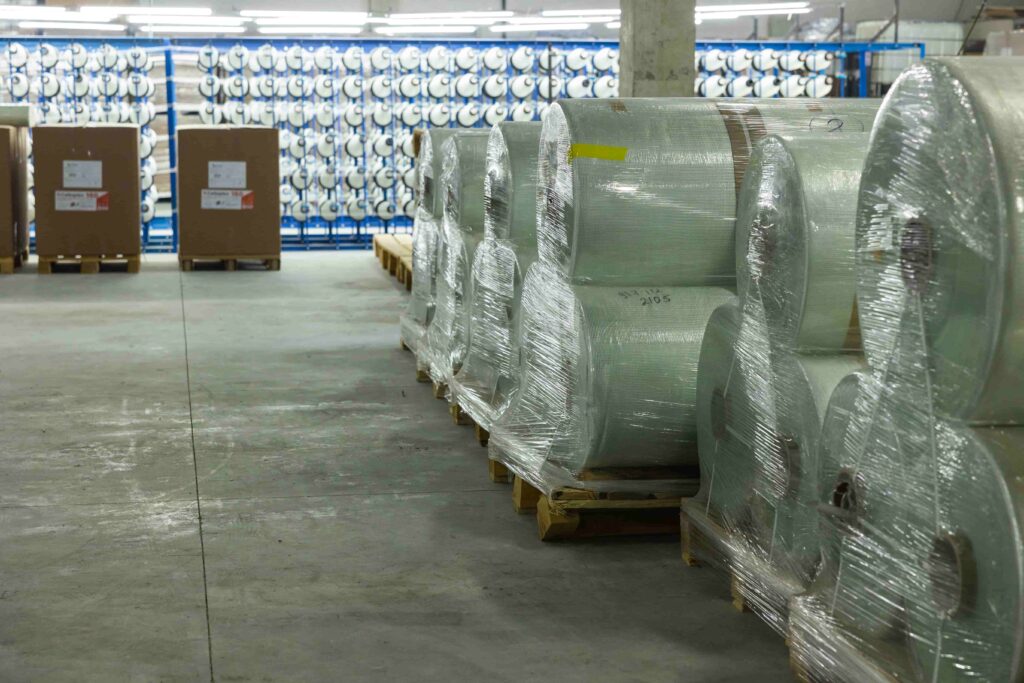

* FiberCell Technologies LLC, formerly engaged in fiber mesh manufacturing within the zone, is launching a new project: the production of waterproof membranes on the brand new facility that was constructed specifically for this project.
These expansions clearly demonstrate TFZ’s ability to support scalable industrial growth and reinforce its position as a trusted platform for global manufacturers and long-term investors
Cargo Turnover Growth
In an encouraging sign for Georgia’s logistics and trade ecosystem, cargo activity in the Tbilisi Free Zone (TFZ) recorded steady growth in the three most recent reporting years, highlighting the zone’s expanding role as a regional hub for import, export and re-export traffic.
According to official processing figures, customs declarations filed in the Tbilisi Free Zone rose from 1,785 in 2024 to 2,054 in 2025, while re-export declarations climbed from 890 to 959 over the same period. This uptick — a roughly 15 % increase in total exports-oriented filings — suggests that more operators are leveraging the zone’s streamlined customs procedures and fiscal advantages to move goods across borders
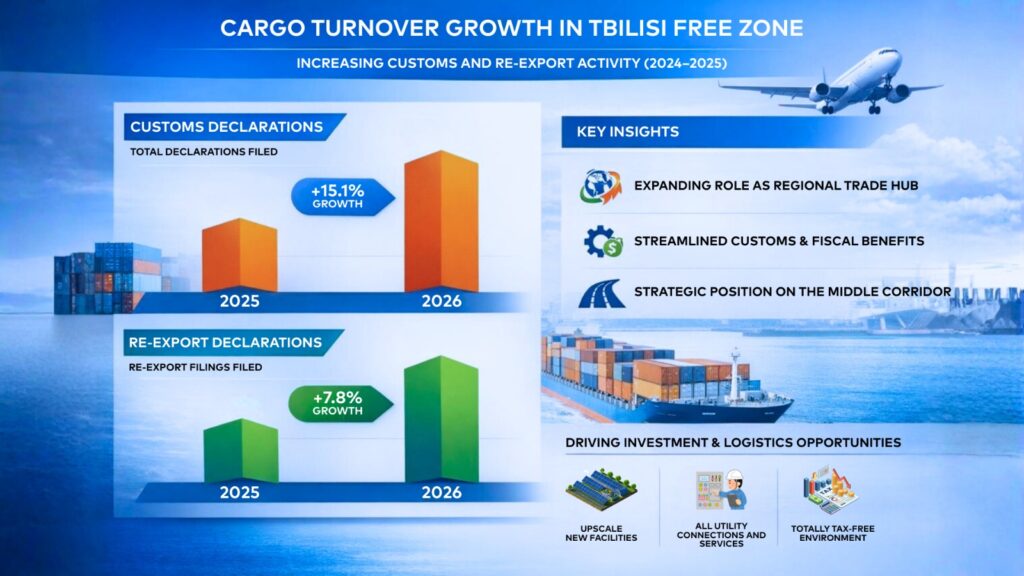
For investors and logistics operators, the gradual rise in both import-related customs declarations and re-exports aligns with global shifts in supply-chain strategies, where hubs like Tbilisi Free Zone are increasingly valued for cost efficiencies and regulatory predictability. The growth also dovetails with Georgia’s broader role as a transit thoroughfare on the Middle Corridor linking Europe and Asia — a route that scholars and industry experts anticipate will continue to gain cargo share through 2030
New Industrial Infrastructure
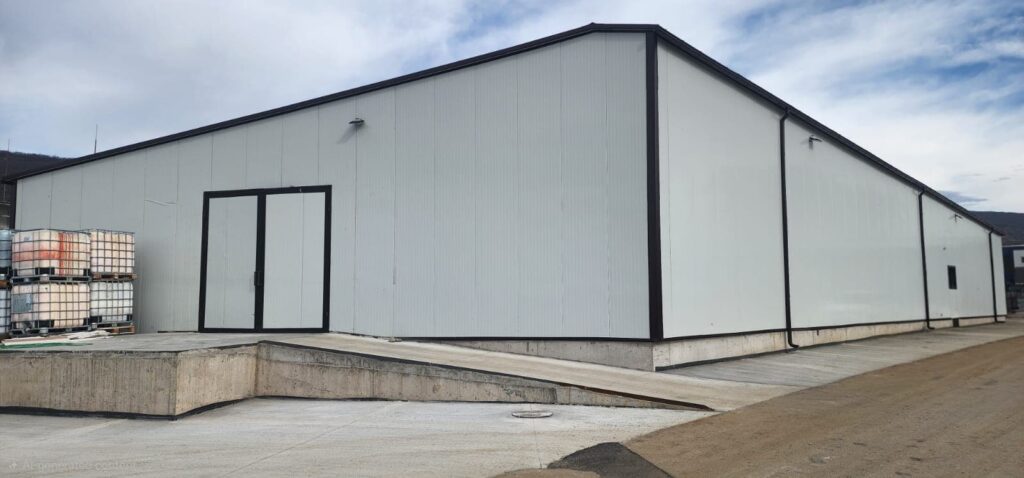
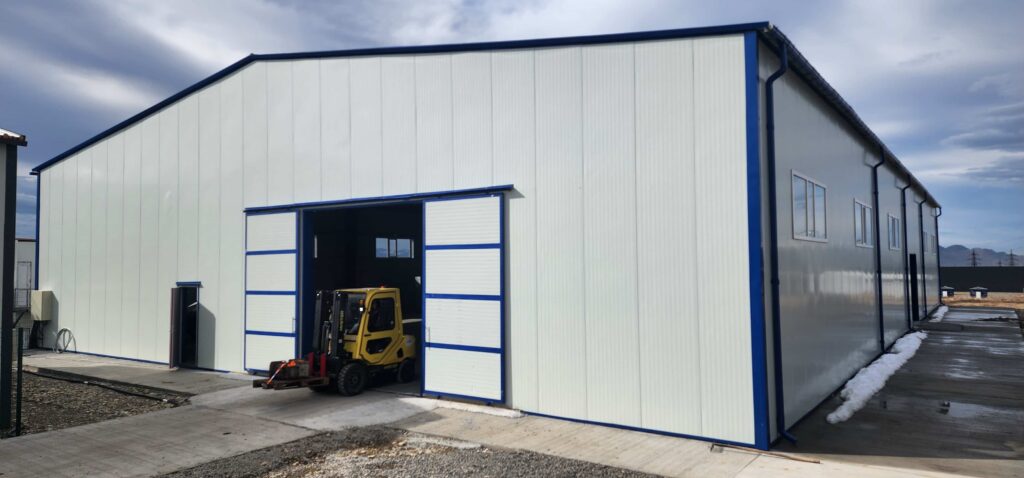
In response to rising tenant demand, continued investment, and the steady expansion of industrial activity, several new warehousing and infrastructure projects were successfully delivered in 2025.
On top of already mentioned 2 expansion projects, a number of modern warehouse and industrial facilities were constructed and renovated to support both new entrants and the growth of existing manufacturing companies within the Zone, including:
* New Industrial facility — 1,100 m², developed to meet increasing demand for high-quality storage and operational space.
* Renovated Warehouse Facility — 300 m², prepared for a tenant specializing in juice production, contributing to the diversification of industrial activity and value-added manufacturing.
* A newly developed 400 m² warehouse facility tailored for dry goods storage, offering flexibility for future integration of cold storage infrastructure.
* The parking area has been significantly expanded to accommodate both trucks and light vehicles, improving traffic flow, logistics efficiency, and overall operational convenience for tenants and their partners.
* The customs checkpoint has been fully upgraded to ensure faster, smoother, and more efficient customs procedures.
These new arrangements further strengthen the infrastructure base of the Tbilisi Free Industrial Zone and demonstrate our ongoing commitment to providing flexible, modern, and investment-ready industrial spaces for international and local partners.
Additional warehousing and industrial development, as well various ancillary service projects are planned to accommodate future growth and support new strategic investments.
Looking Ahead
Tbilisi Free Zone remains committed to creating a business-friendly environment, supporting international investors, and expanding Georgia’s role as a regional logistics and industrial hub.
We look forward to welcoming new partners and continuing sustainable growth in 2026.